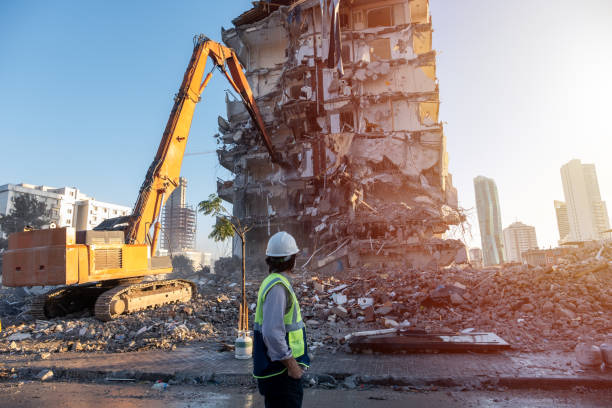
Oklahoma City has seen continued growth in construction, renovation, and infrastructure expansion over the last decade. While progress supports economic strength and modern development, it also increases construction debris that must be responsibly managed. Without proper sorting and recycling, debris contributes to landfill crowding and environmental strain.
Recycling construction debris is not only a best practice but a necessary step in environmental responsibility. Homeowners and business owners are increasingly aware of sustainable disposal methods that protect the community and comply with regional guidelines. Service providers like Dumpster Solutions help support these goals with convenient roll-off containers and guidance on proper recycling requirements.
Whether you are remodeling a home or overseeing a commercial build, understanding recycling expectations in Oklahoma City helps improve project efficiency and environmental impact.
Construction Growth and Sustainability Concerns in Oklahoma City
Oklahoma City’s booming development creates a growing need for improved waste solutions, especially during:
- New home construction
- Facility upgrades
- Road and bridge improvements
- Roofing replacement
- Demolition work
Every project generates debris such as concrete, wood, insulation, and metals. When these materials are recycled, they are turned into valuable resources rather than being buried in landfills. This shift supports long-term environmental goals without slowing progress.
Organizations across the city are now incorporating sustainable construction standards, including recycling mandates and environmentally focused job-site policies. Homeowners are also becoming more cautious about waste handling and often search for residential dumpster service near me to ensure a cleaner project area.
Why Recycling Construction Debris Matters
Construction and demolition waste makes up a large percentage of the total waste stream in the United States. Recycling helps Oklahoma City in the following ways:
Environmental Impact
- Reduces greenhouse gas emissions
- Conserves limited landfill space
- Protects local habitats and waterways
Economic Support
- Creates job opportunities within recycling facilities
- Repurposes materials for new construction uses
- Reduces landfill taxes and disposal fees for certain materials
Long-Term Sustainability
- Encourages architects and builders to choose recyclable products
- Supports a reusable materials marketplace
- Improves the city’s environmental reputation
With strategic recycling, progress and sustainability can coexist.
What Types of Construction Debris Can Be Recycled?
Correct material separation is essential for successful recycling operations. Below is a more comprehensive list of recyclable materials commonly seen on Oklahoma City project sites:
Material Type | Recyclable | Notes | Post-Processing Use |
Concrete | Yes | Must be free of contaminants | Road fill, aggregate |
Asphalt | Yes | Often recycled in large batches | Pavement and base layers |
Wood | Most types | Painted or treated wood may be restricted | Mulch, biomass fuel |
Metals (steel, copper, aluminum) | Yes | Highly valuable recyclables | New metal products |
Drywall | Yes if clean | Must be free of mold or wet conditions | Soil amendment, new gypsum |
Brick | Yes | Heavy and durable for reuse | Landscaping or crushed fill |
Roofing shingles | Often | Some facilities accept for asphalt recovery | Paving materials |
Plastics | Limited | Some construction plastics may be recyclable | Composite wood products |
Cardboard | Yes | Packaging from materials delivery | Paper products |
Fixtures such as doors and windows | Sometimes | May be reused or donated | Building reuse programs |
Confirming facility acceptance is important to avoid load rejection or contamination. Dumpster Solutions regularly guides customers on accepted materials and conditions to ensure compliance.
Materials That Require Special Handling
Construction sites often generate hazardous waste. These items cannot typically go into standard rental dumpsters:
- Asbestos
- Contaminated soil
- Adhesives and sealants
- Wet paint cans
- Solvents and flammable materials
- Certain insulation types
- Electronics with exposed components
Proper handling protects workers, disposal teams, and the environment. Hazardous materials guidance can be obtained through the city or through dumpster rental professionals.
Understanding Local Regulations for Construction Debris
Oklahoma City emphasizes environmental compliance through:
- Required waste separation for certain commercial projects
- Bans on mixing recyclable materials with general trash
- Rules that require covered loads to prevent debris from scattering
- Documentation records for businesses when disposing of large amounts of material
Contractors benefit from early planning to meet these expectations. Dumpster providers that offer Commercial Dumpster Rentals ensure that guidelines are communicated before the project begins.
Compliance benefits include:
- Reduced risk of violations
- Faster clearance at disposal facilities
- Improved recycling results
Up-to-date information can also be accessed using local government waste disposal resources.
How Dumpster Rentals Support Sustainable Construction
Dumpsters are more than simple waste containers they are planning tools that support effective debris management. When materials are separated by type, recycling becomes practical and organized.
Efficiency
Dumpsters help keep materials organized from the beginning of the project. Instead of debris piling up on the ground or requiring multiple trips to local disposal sites, everything can be placed directly into a designated container. This saves time, reduces work interruptions, and ensures that crews can move freely without clutter slowing construction activities.
Safety
A well-managed workspace is a safer workspace. When debris is scattered around, workers face risks from sharp edges, unstable piles, and blocked pathways. By using a dumpster to centralize waste, job sites remain clearer and safer for both construction crews and property owners. This reduces the likelihood of injuries and helps maintain compliance with recommended safety standards.
Cost-Savings
Efficient sorting leads to better recycling rates and can reduce landfill disposal costs. When recyclable items like concrete and metals are kept separate, they can be processed through recycling programs rather than standard landfill routes. Fewer truckloads, reduced handling, and lower tipping fees translate into noticeable cost savings over the course of a project.
Long-Term Impact
Responsible waste handling improves the overall environmental footprint of construction projects. Recycling reduces strain on Oklahoma City landfills and conserves raw materials needed for future manufacturing. Job sites that implement effective waste practices contribute to a cleaner community and support ongoing sustainability goals. Over time, these choices promote better industry habits and infrastructure planning within the city.
Dumpster Solutions works with project managers and homeowners to select container sizes and placement areas that optimize recycling logistics on the site.
Choosing the Right Dumpster for Your Project
Matching container size with debris output keeps projects clean without overspending.
Residential Dumpster Rentals
Best for:
- Small to mid-sized remodeling
- Flooring removal
- Garage, attic, or shed cleanouts
- Landscaping and yard improvements
These dumpsters are easy to place in driveways and help homeowners complete projects faster.
Searching for residential dumpster rentals ensures a proper container choice that makes waste handling efficient.
Commercial Dumpster Rentals
Ideal for:
- New builds with heavy debris
- Warehouse or business renovations
- Shopping center upgrades
- Demolition and roofing removal
Larger volumes require durable containers sized for industrial-grade debris.
Tips to Improve Construction Recycling Rates
With simple steps, recycling efficiency can significantly increase:
- Plan a recycling strategy before starting construction
- Place separate dumpsters for different material types
- Train workers on acceptable sorting practices
- Keep recyclables covered to prevent contamination
- Monitor dumpsters daily for misuse
- Do not mix food or household waste with construction materials
Following these guidelines proves beneficial to both large contractors and homeowners.
Preventing Contamination in Recyclable Loads
Cross-contamination is the most common challenge in construction waste recycling.
To avoid it:
- Keep cardboard dry
- Do not throw food containers or trash into dumpsters
- Avoid mixing regular debris with clean concrete
- Separate painted materials from untreated wood
Using labels and signage improves compliance on busy job sites.
What Happens After Construction Debris Is Collected
Once dumpsters are picked up, recycling does not end. The process continues at specialized facilities.
Sorting
Once the dumpster is collected and delivered to a materials recovery facility, the contents go through detailed sorting. Workers and automated systems separate debris by type to ensure each material maintains the quality needed for reuse.
Processing
After sorting is complete, each recyclable material is prepared for its next purpose. Metals are melted down and reshaped. Concrete is crushed into aggregate for roadway bases. Wood may be chipped and turned into mulch or processed into new industrial products. Clean drywall can be ground down for soil amendments.
Manufacturing
Recycled debris becomes new products such as:
- Asphalt for roads
- Steel beams
- Reconstructed bricks
- Mulch for landscaping
- Gypsum for new drywall
This cycle supports Oklahoma City infrastructure and resource conservation.
Challenges in Construction Debris Recycling
Recycling is not always simple. Some challenges include:
- Limited facility acceptance for certain plastics or materials
- Weather delays that dampen cardboard or drywall
- Changing regulations from project to project
- Cost variations depending on material demand
- Lack of worker training on sorting rules
Awareness and strong waste partnerships reduce these obstacles.
Providers like Dumpster Solutions help customers stay informed about best practices and evolving requirements.
The Future of Waste Management in Oklahoma City
Urban development continues at a steady pace. As more homes and commercial businesses are built, sustainable waste handling becomes even more important.
Future recycling improvements may include:
- Expanded facility processing capabilities
- Increased incentives for construction recycling
- Digital systems to track waste diversion rates
- Greater community involvement and awareness programs
- More recyclable building materials during manufacturing
Construction companies, homeowners, and renters all play a role in raising the city’s recycling performance.
Conclusion
Recycling construction debris supports a cleaner and more sustainable Oklahoma City. With the right planning and disposal services, projects can reduce landfill waste and follow important environmental standards. Whether using Commercial Dumpster Rentals or searching for residential dumpster service near me, selecting a reliable partner like Dumpster Solutions ensures that construction waste is handled responsibly.
For additional guidance or to request a dumpster for your next project, visit the contact page.
Frequently Asked Questions
How do I start a recycling plan for my construction project?
Begin by identifying recyclable materials and contacting a local dumpster rental provider for sorting guidance.
Can concrete and asphalt be placed into the same dumpster?
Often yes, but some facilities prefer separation. Request guidance before loading.
What should I do with leftover hazardous materials?
These items require special handling through approved hazardous waste programs.
Are all wood materials recyclable?
Clean, untreated wood is widely accepted. Painted or chemically treated wood may be restricted.
How do I know what dumpster size I need?
Share project details with your provider for an appropriate size recommendation.